.gif)
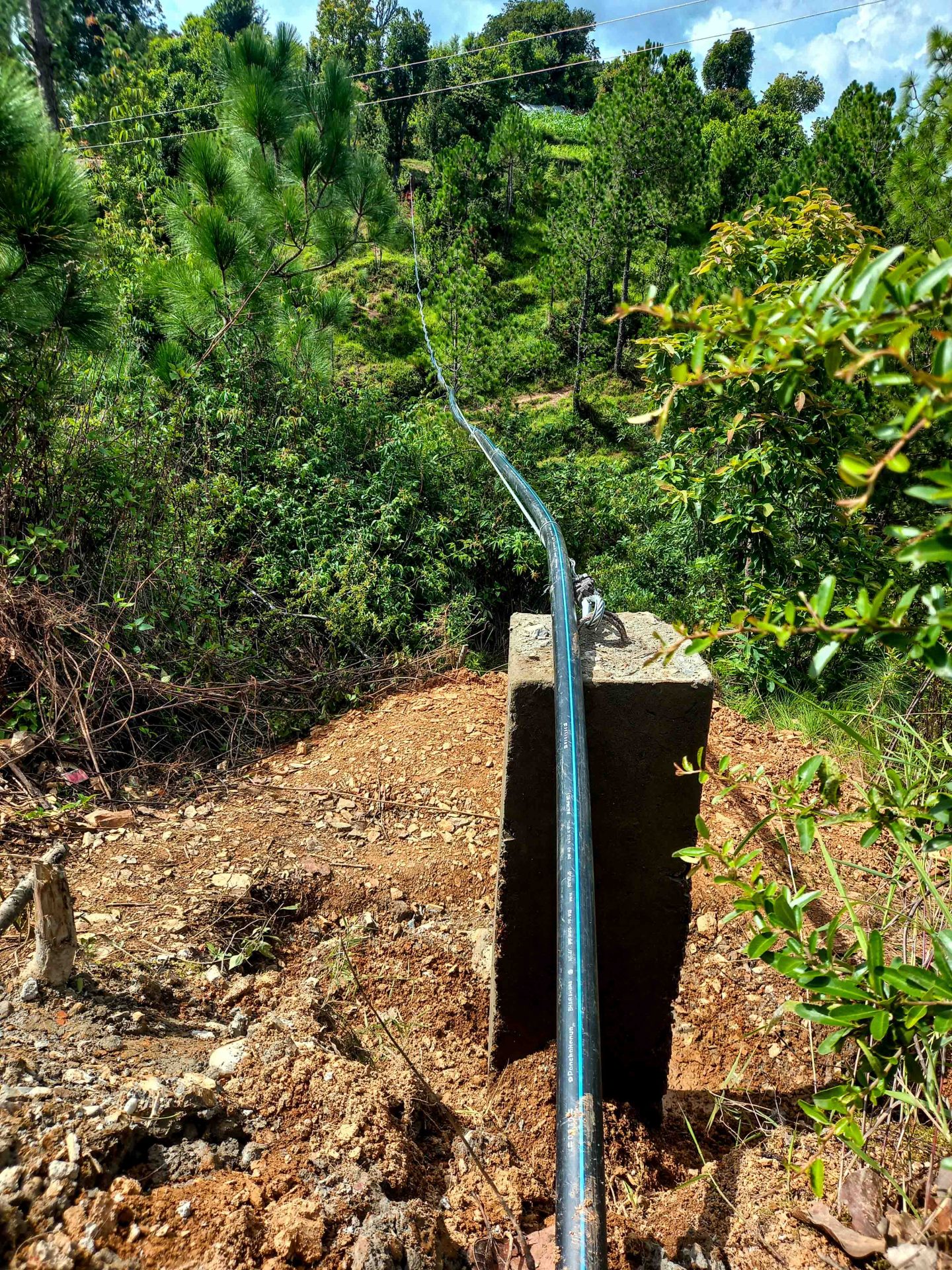
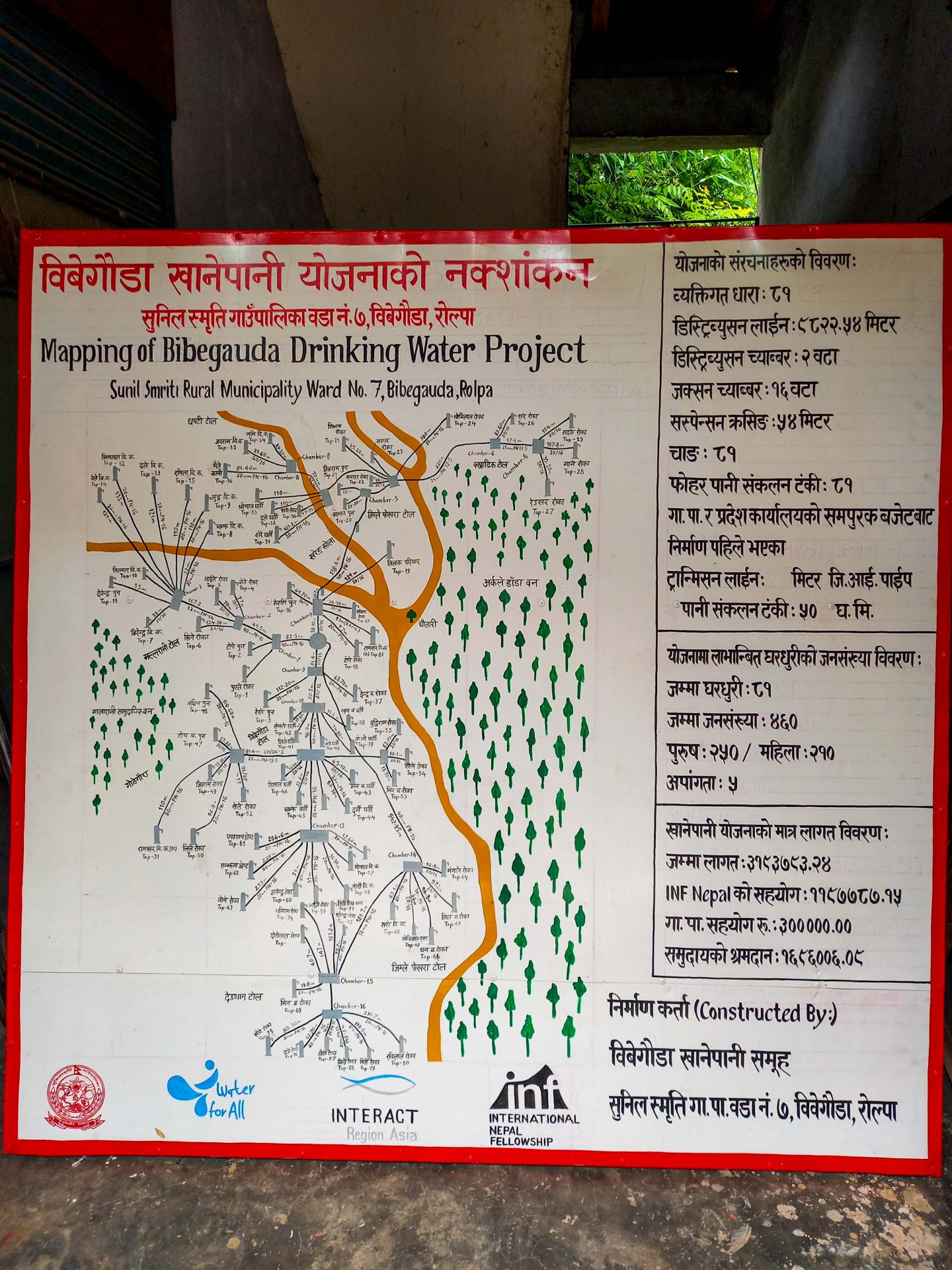
For the past eleven years, INF Nepal has been making a significant and lasting contribution to improving the quality of life of rural and remote communities in the north-eastern part of Rolpa through its WASH (Water, Sanitation and Hygiene) Project. During this period, INF Nepal has supported the construction of more than 40 small-scale drinking water schemes and the rehabilitation of several old and deteriorated systems. Through these efforts, safe drinking water access has been ensured for more than 2,000 households, directly contributing to the Government of Nepal’s strategic “One House–One Tap” policy and its effective implementation at the grassroots level.
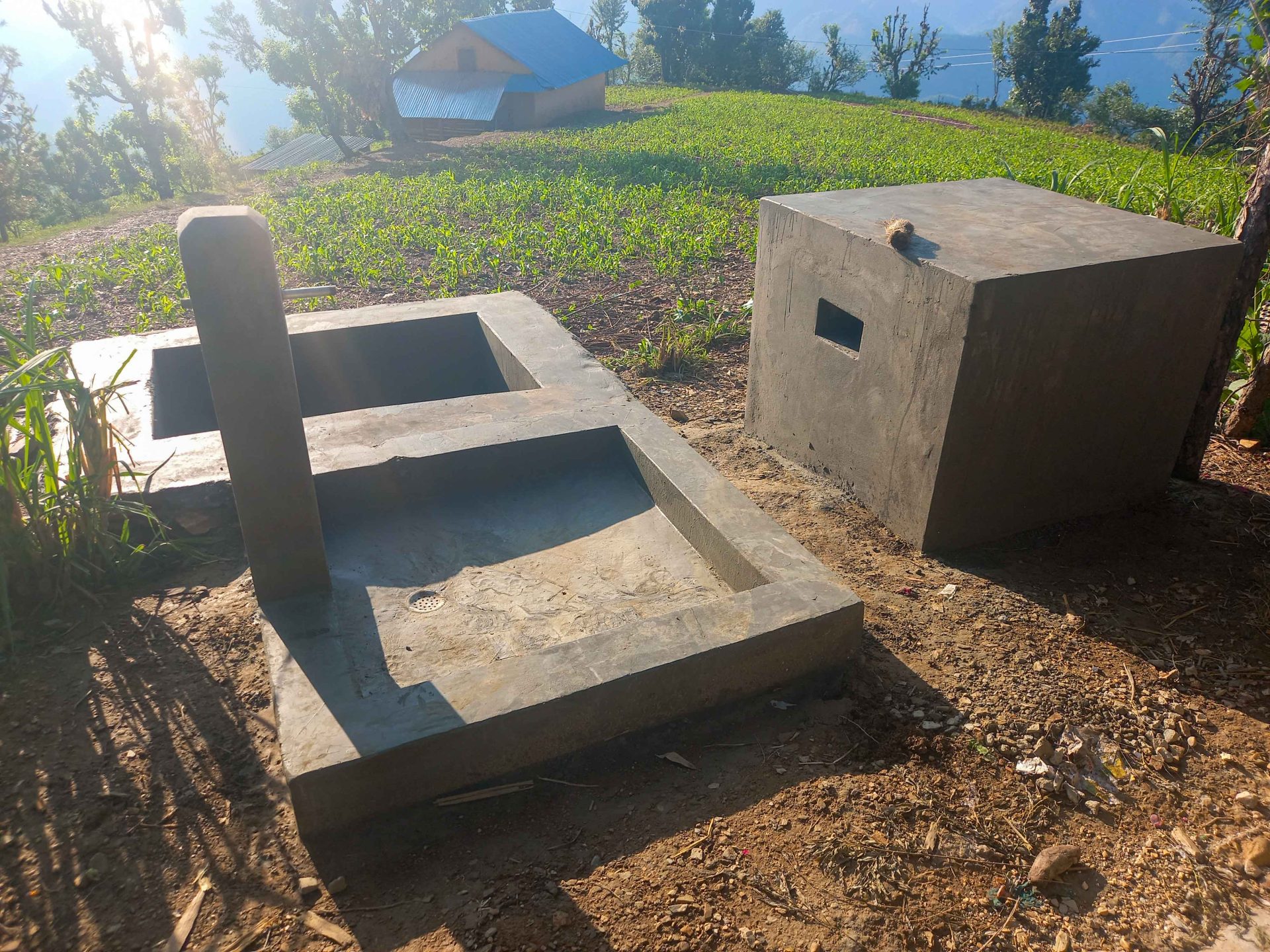
The WASH Project follows a community-centered and sustainability-focused approach. INF Nepal has supported the development of durable “one house–one tap” drinking water systems, improvement of sanitation facilities, and promotion of positive hygiene behaviors. Beyond household water supply, the project has also promoted the collection and reuse of wastewater generated from taps. This water is reused for kitchen gardens and irrigation, helping communities adapt to increasing drought and water scarcity caused by climate change, while also strengthening household food security and nutrition.
The project has had a transformative impact on women, children, persons with disabilities, and elderly people. The burden, risk, and time associated with carrying water from distant and unsafe sources have been drastically reduced. As a result, community members now have more time for education, income-generating activities, household care, and social participation. Improved access to water and sanitation has led to better hygiene practices, reduced illness, enhanced dignity, and a cleaner living environment.
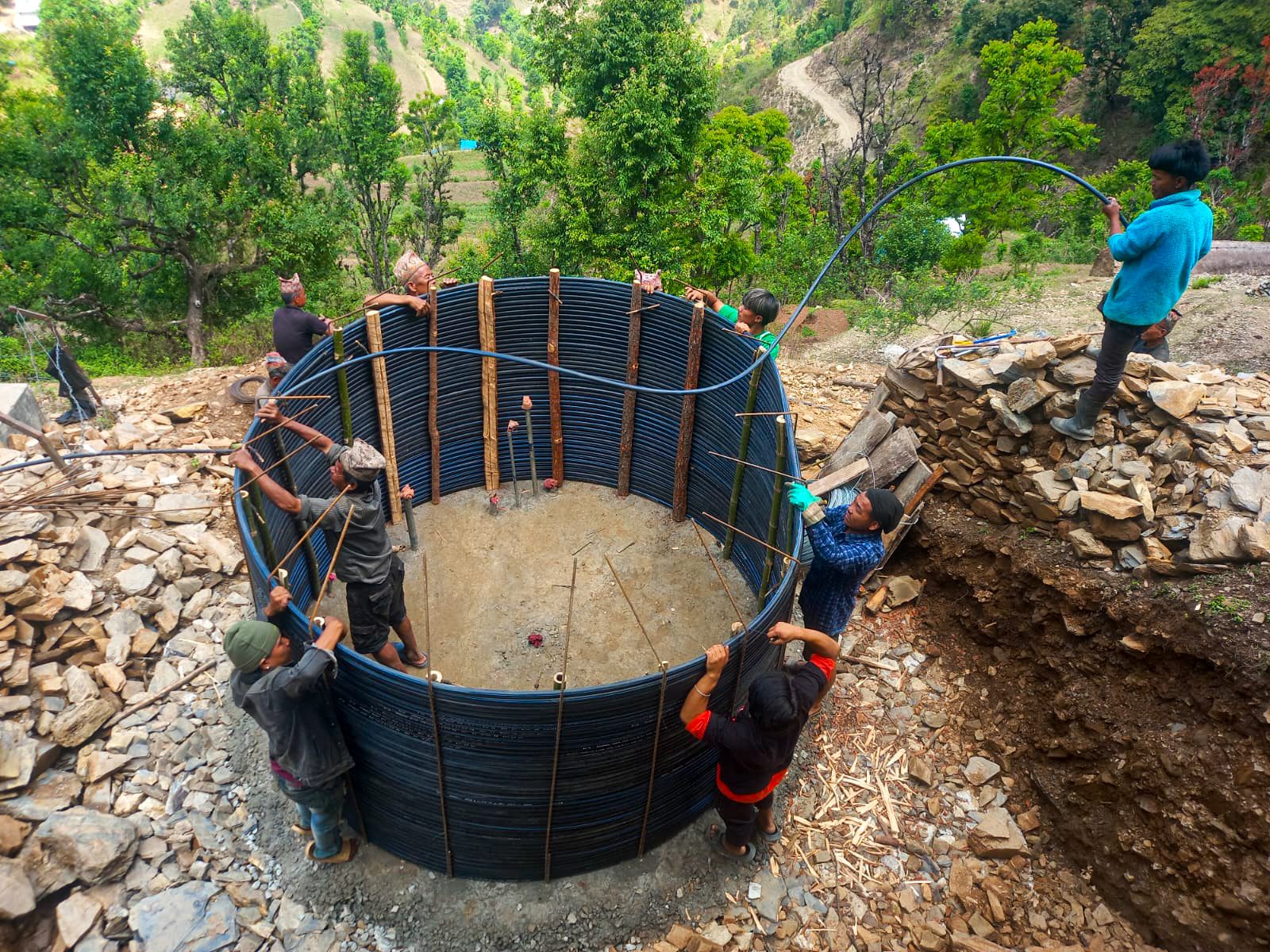
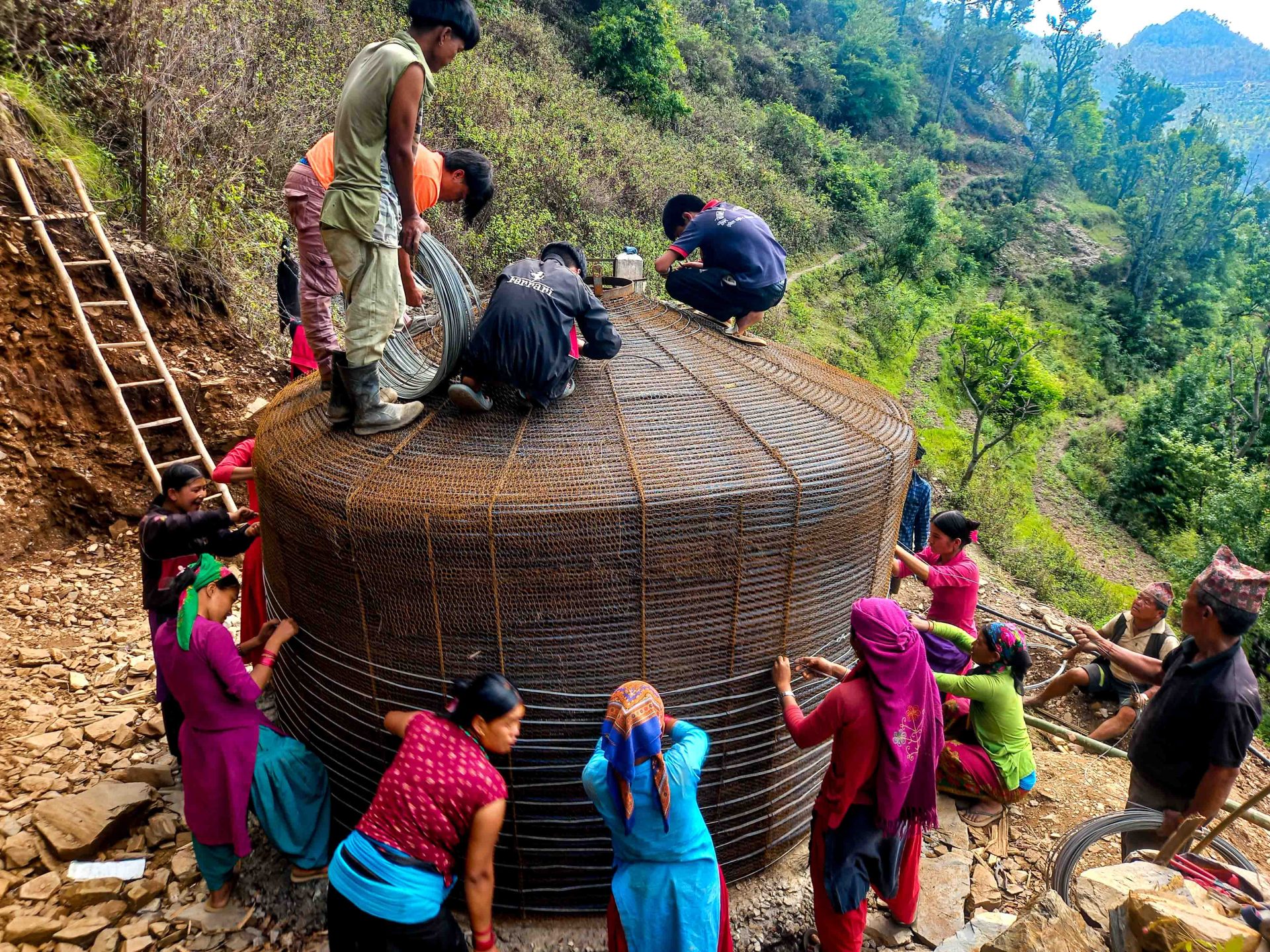
A key beauty of the WASH Project lies in the strong ownership and labor contribution of the community. From planning to construction, communities have actively participated through free labor, use of local materials, and land contribution. User committees were formed to lead decision-making, manage construction, and oversee operation and maintenance. Cost-sharing with local government further strengthened accountability and partnership, ensuring the schemes are not only built but sustained.
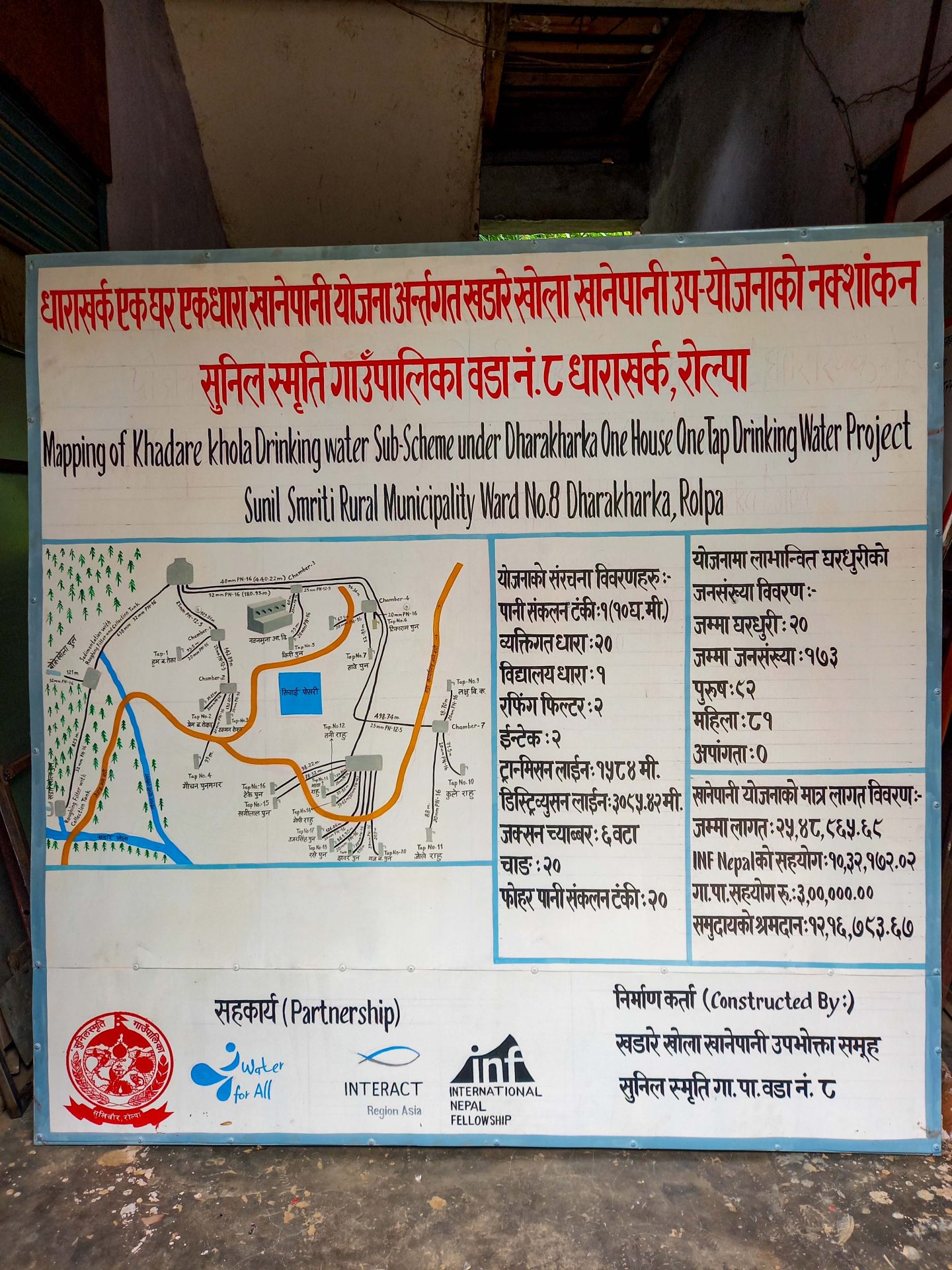
In this continuation of the effort, on Mangsir 20, the Dharakharka One House–One Tap Drinking Water Scheme constructed in Sunilsmriti Rural Municipality Ward No. 8 was jointly inaugurated and officially handed over to the community by Mr. Lekhnath K.C., Director of Community Development Department, INF Nepal, and Mr. Maniram Budhathoki, Chairperson of Sunilsmriti Rural Municipality. The scheme was implemented in line with the national One House–One Tap strategy and consists of two sub-schemes:
- Khadare Khola Drinking Water Sub-Scheme:
This scheme provides safe drinking water directly to the courtyards of 20 households, benefiting 107 people (60 males and 47 females).
- Goganpani Khola Drinking Water Sub-Scheme:
This scheme provides safe drinking water to 25 households, benefiting 124 people (60 males and 64 females).
Together, the two sub-schemes serve a total of 45 households and one school, benefiting 297 people. In all 45 households, wastewater from taps is systematically collected and reused for irrigation, ensuring maximum utilization of water resources and contributing to greener homesteads and improved food production.
The total cost of the drinking water scheme, including the main system, wastewater collection ponds, and dish-drying racks, amounted to NPR 6,101,390. Of this, INF Nepal contributed NPR 2,344,010, Sunilsmriti Rural Municipality contributed NPR 300,000, and the local community contributed NPR 3,516,880 through labor contribution, local materials, and land support. This shared investment reflects strong partnership, local ownership, and collective responsibility.
To ensure long-term sustainability, a Repair and Maintenance Fund has been established for the scheme and deposited in the user committee’s account. Water meters have been installed at all household taps, and users contribute fees based on water consumption, which are added to the maintenance fund. Additionally, users have received repair and maintenance training along with essential tools, enabling them to manage minor repairs locally and reduce dependency on external support.
Through its WASH Project, INF Nepal has gone beyond infrastructure development. It has fostered dignity, resilience, community solidarity, and hope—transforming water from a daily struggle into a shared asset that supports health, livelihoods, climate adaptation, and a better future for rural communities in Rolpa.