.gif)
On Thursday, 3rd September 2026, at around 7:00am, we left Pokhara with two trucks loaded with relief materials for people affected by the disaster in Kispang Rural Municipality-5, Nuwakot District. We also hoped to reach Rasuwa to get a clearer picture of the situation on the ground, and I am glad we were able to get there and visit some of the holding centres.
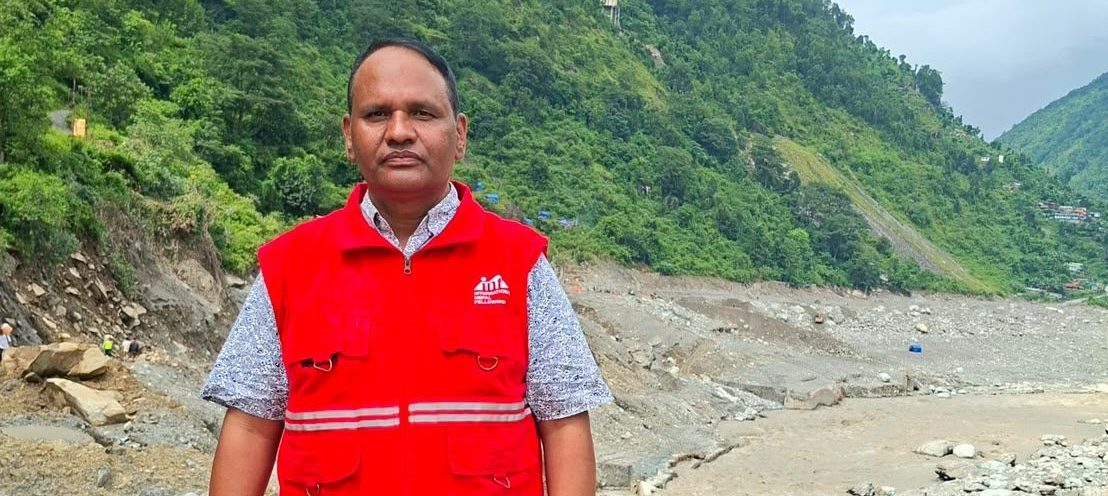
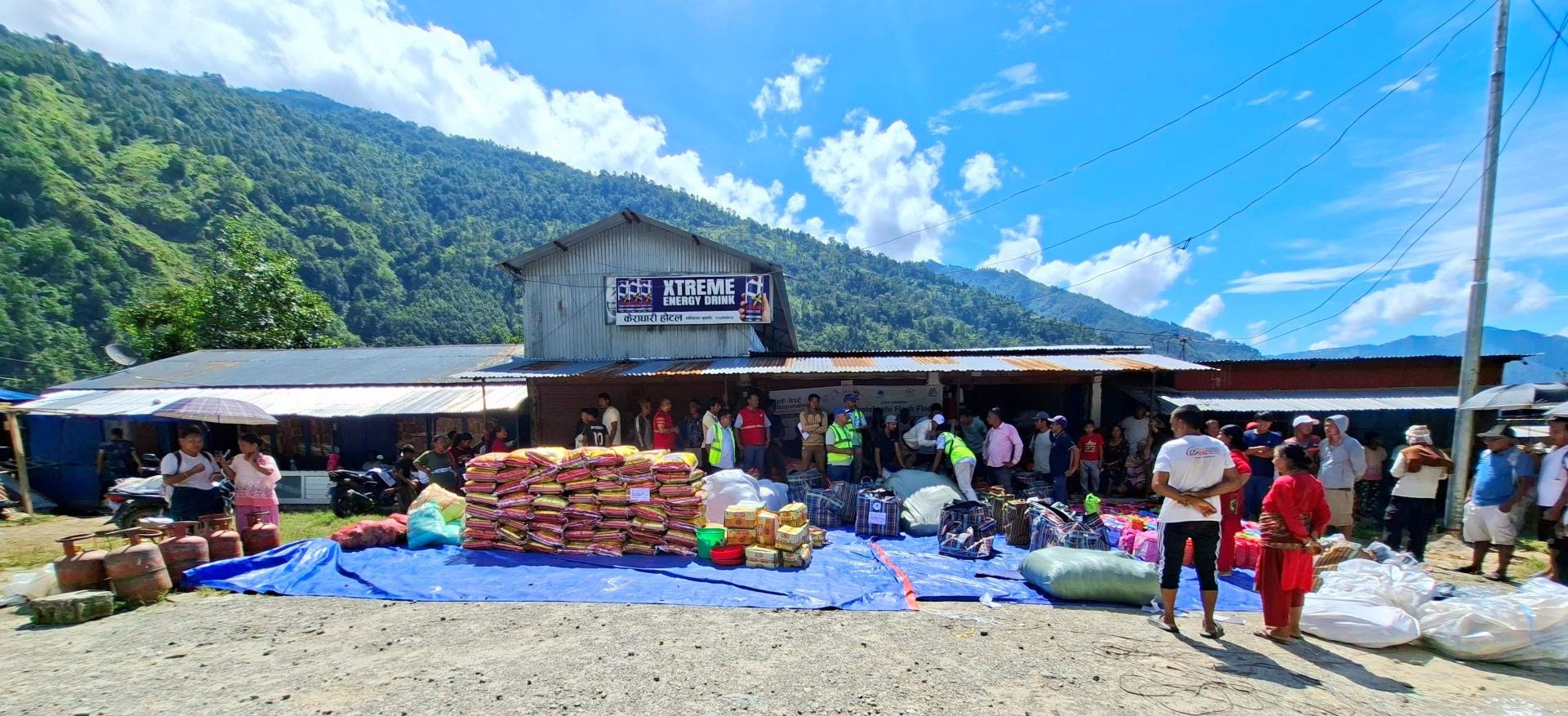
After a difficult journey along challenging roads with heavily loaded trucks, we arrived in Kispang-5 on the second day of our journey. We handed over food items, clothes, blankets, water filters, cooking gas cylinders and hygiene kits to the Ward Office, then moved to Ghalegaun; another location within the same Ward to distribute additional blankets, clothing, and hygiene supplies directly to affected individuals and listen to them which ended around 8:30 PM.
By then it was dark. As we handed over the relief items, I carefully watched the faces of those receiving them. They were quiet and calm. Most were elderly people, women, and teenage children. Their silence and composure spoke of something deeper: they were living with trauma and shock. It was difficult to start conversations — everyone there had been affected, and each carried a story of immense loss, some with loved ones still missing.
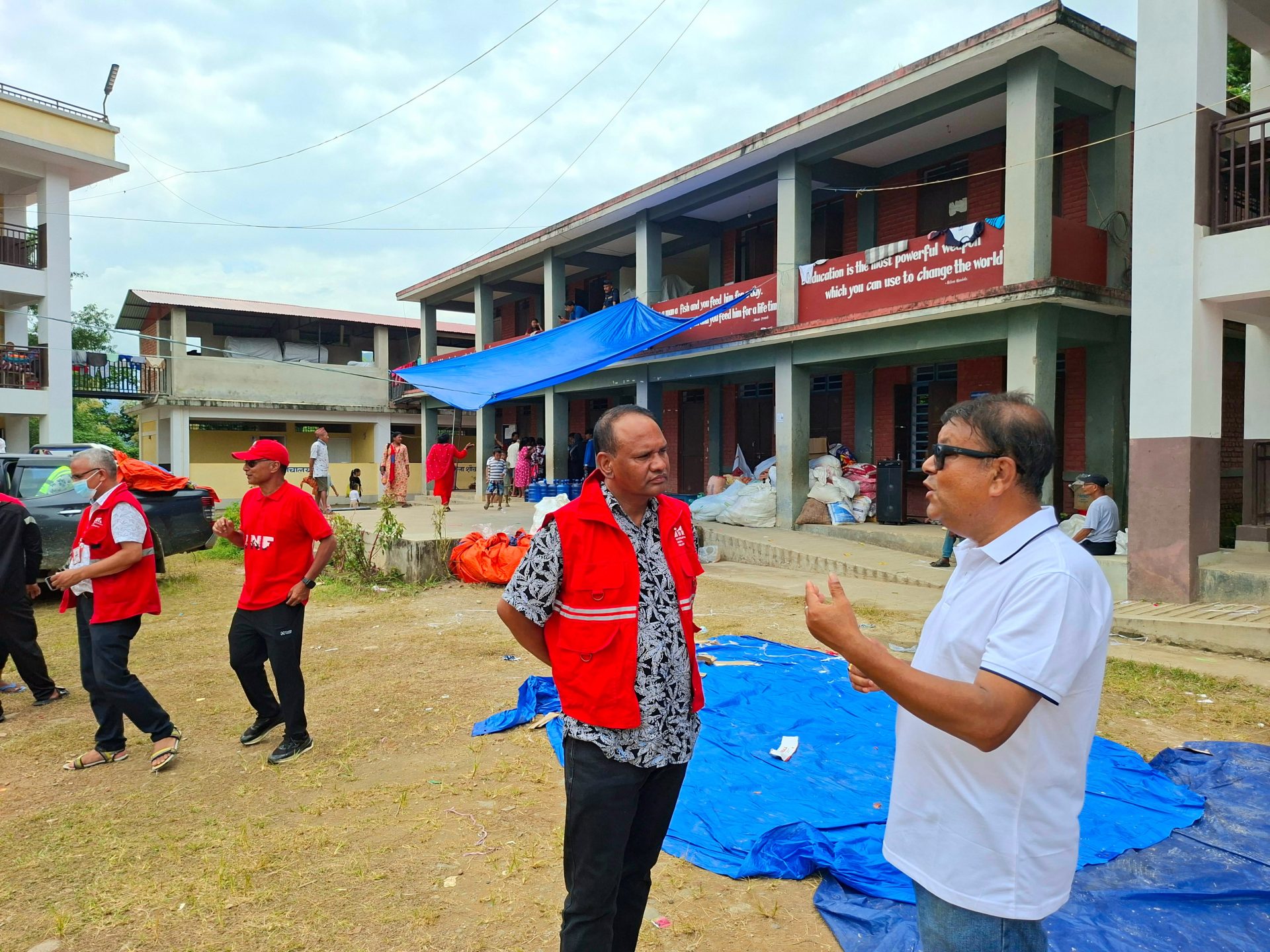
Among them was a young woman named Jyoti Ghale. I somehow felt that I should speak with her. After the distribution was finished, I looked for her and found her standing beside the truck.
As we began talking, the conversation quickly became heavy and emotional. She told me she had not slept properly since her five-year-old daughter went missing. Her daughter, along with another child her age, had been on a school bus with other children. While the rest of the children escaped and were saved, these two could not. She recalled them crying inside the bus when, suddenly, a flood swept it away.
Jyoti told me that the other child’s body has since been found, but her own daughter is still missing. Her voice heavy, she said it felt as though she had lost a piece of her own heart. Her husband survived by running out of a tunnel, but though he escaped, the family lost their primary source of income with him.
 I hesitantly asked whether Jyoti had a photograph of her daughter. She picked up her phone and said, “I have lost my whole world. Why wouldn’t I show?” On the screen was a beautiful photograph of her daughter, holding her hand.
Jyoti has lost the most precious part of her life. Her husband survived, but the family now faces an uncertain future marked by grief, loss, and hardship. It was heartbreaking, and I was speechless. There was little I could say except, “नआत्तिनुस् है” (Naattinus hai) — “Please don’t lose hope.” Then she left.
I carried Jyoti’s story with me for the rest of the journey, and I carry it still today, like a story that hasn’t yet found its ending.
My sincere hope is that people like Jyoti will experience healing and restoration in the days to come, and that one day, stories like hers will be transformed into stories of peace, hope, dignity, and renewed joy.
Krishna Adhikari
Executive Director, INF Nepal