.gif)
“I feel completely empty because I have lost my home, property and my son.”
These are the words of Indu Dangol, one among thousands of families whose lives were affected by the catastrophic flash floods that struck Nepal’s central region on 26 August 2026. Triggered by a glacial collapse along the Nepal-Tibet border, the floods tore through Bidur Municipality Ward 8 the Tupche/Colony area of Nuwakot that swept away houses, livelihoods and for some families, even their loved ones.
It was my privilege to be among the first responders on the ground.
A Community in Crisis
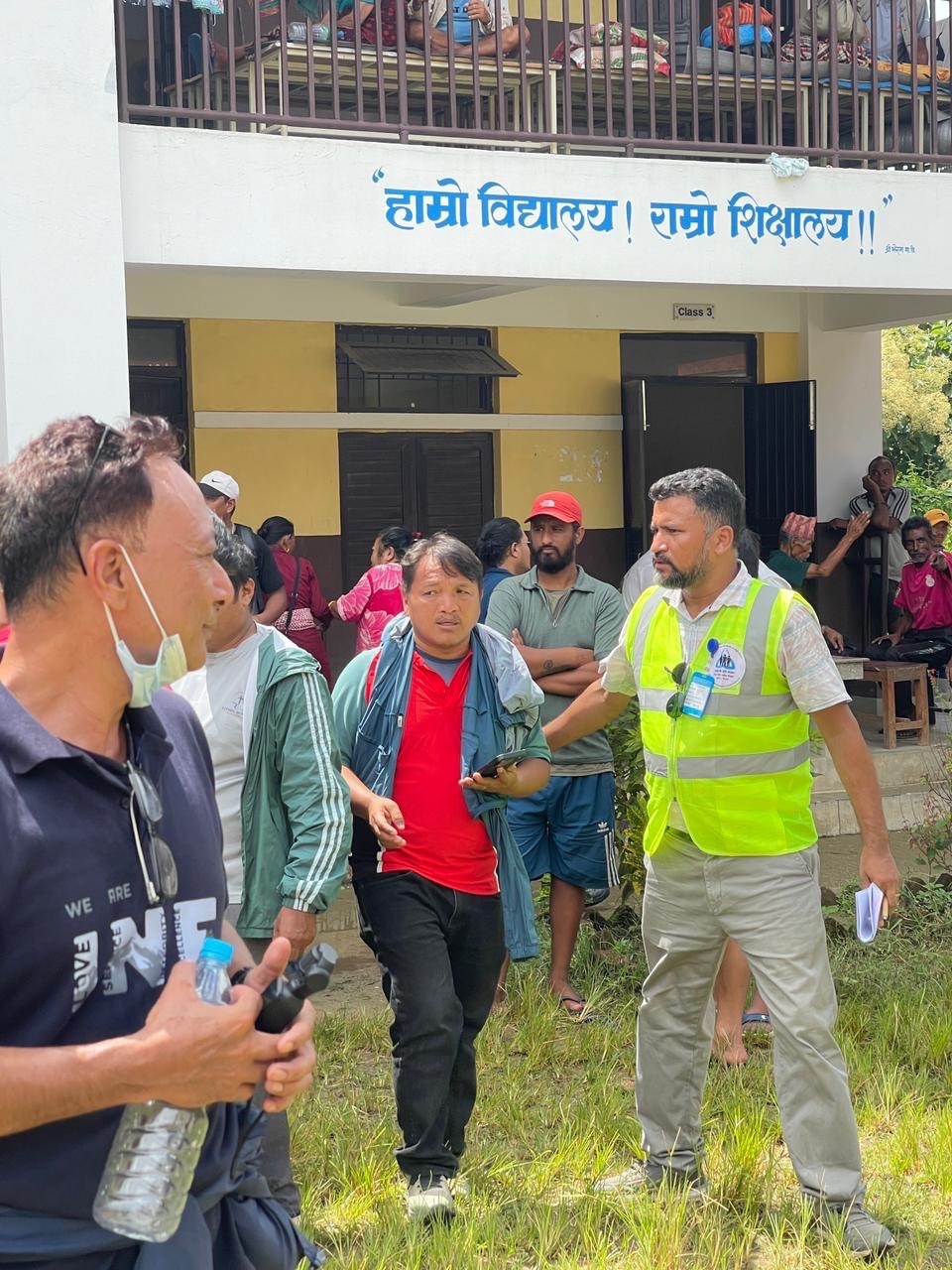
In the aftermath of this unforeseen disaster, approximately 1,500 displaced individuals sought emergency shelter at Bhairum Secondary School in Hattigauda, Bidur-8. This site became one of the largest holding centres operated by the local government. The number varied between day and night as some affected families come for meals during the day but return to stay with relatives further up the hillside after dark.
With support of the Ward Office, the Holding Centre Management Committee managed the displaced population, families in school classrooms under temporary shelter arrangements. Our initial assessment identified urgent basic needs including mattresses, blankets, hygiene supplies, clothing and safe drinking water. Many individuals had escaped the flood with nothing but only clothes on their back.
Supporting Where It Was Needed
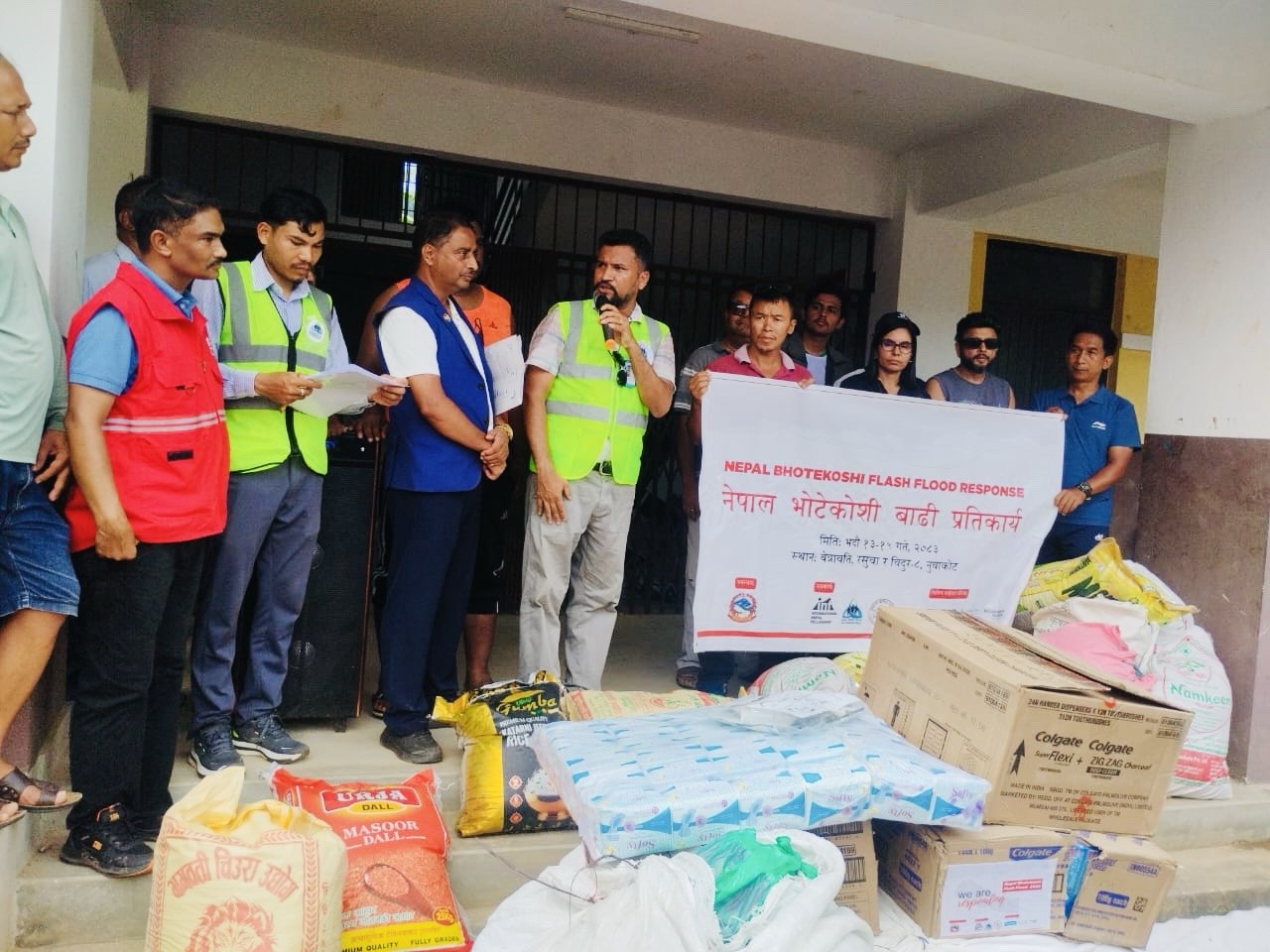
In response, a joint team of INF Nepal, Asal Chhimeki and Pokhara Christian Community came with emergency relief on 29 August to support approximately 1,500 people for around 10 days. The relief package included food supplies, hygiene kits containing sanitary pads, laundry soap, bath soap, toothpaste, toothbrushes, mosquito nets, polar blankets, first aid kits and buckets for water storage and filtration for the affected people.
The supplies were formally handed over to the Holding Centre Management Committee in the presence of the Ward Chairperson and other local representatives who assured that the items would be properly managed and distributed to the affected families.
The Ward Chairperson expressed gratitude for the timely support and real needs while also stating a gap, “We now have food items stored at the holding centre, however, we do not have sufficient cooking gas. This remains a significant challenge for us in preparing meals for the affected families.”
Similarly, a representative of the Holding Centre Management Committee appreciated the support expressing, “The food items, hygiene kits and blankets provided by INF Nepal and Asal Chhimeki are extremely valuable for the management of the holding centre. The assistance arrived at the right time and included the right materials based on the actual needs of the affected people. Continuous coordination from the beginning of the incident made this support possible.”
What Comes Next
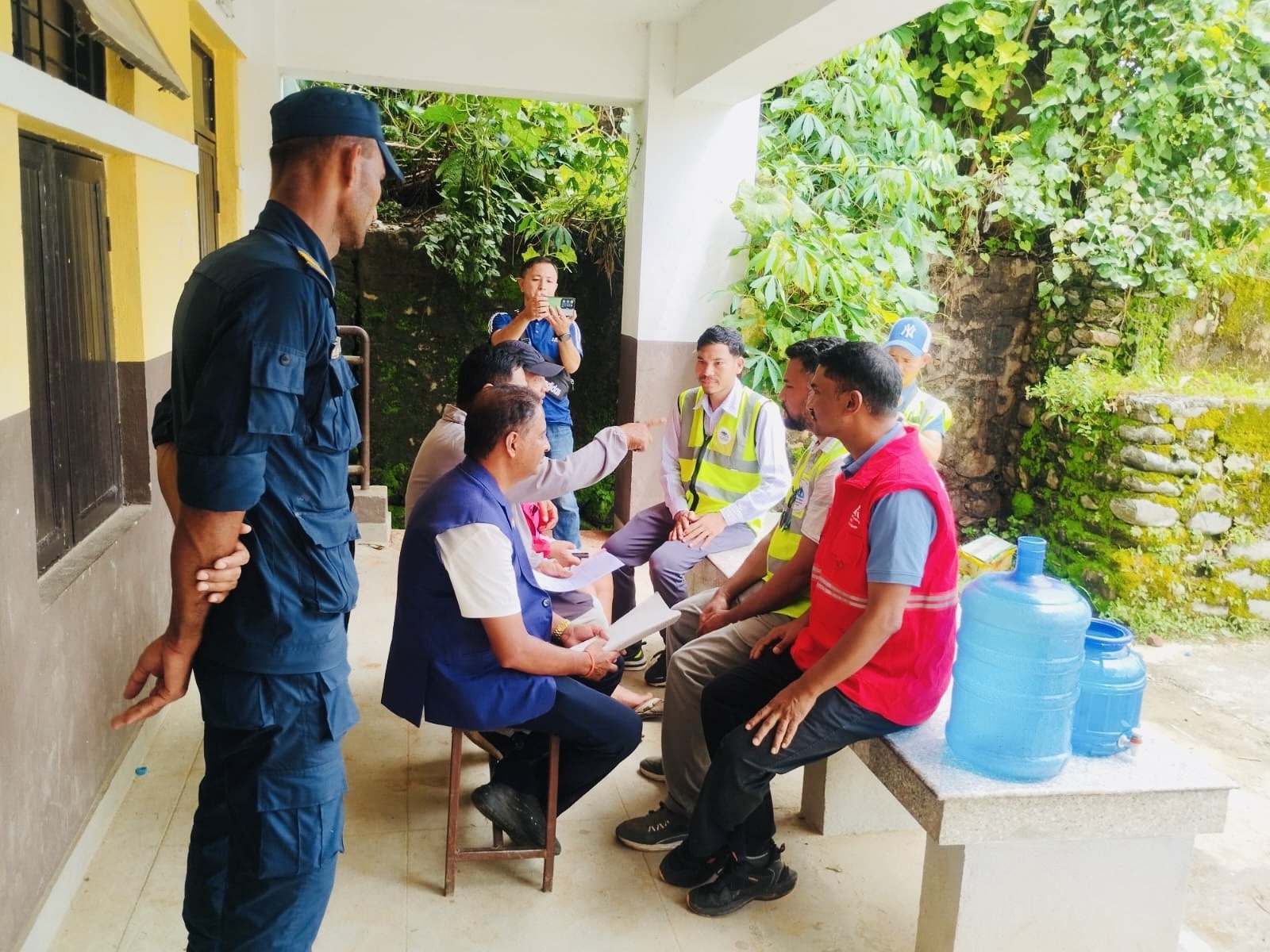
To better understand the overall scenario, our team conducted further assessments in Bidur Municipality Ward 8 and 9, visited two additional holding centres and coordinated with local church leaders to explore how future collaboration could strengthen the response efforts. Several needs were identified as listed below:
- Many families have no land to build temporary shelters, indicating that they may remain in holding centres for a long time to come.
- Clothing is still critically needed, as many lost every spare clothes they had.
- Cooking gas remains urgent gap in the holding centres.
- Psychosocial counselling and emotional support are required to help individuals process trauma, loss and shock.
- Families with access to land will soon need shelter support packages including food and emergency shelter materials.
We also observed that coordination among Bidur’s Christian community remains limited. While the AG Church has been active and well-resource, other churches have not been significantly engaged in the response. This gap has limited broader local ownership and participation in humanitarian support efforts but we hope to help bridge through continued coordination.
Two Stories, One Disaster
Behind every indicator in this response is a person whose life has been affected. Indu Dangol’s family lost everything when their house was swept away, her elder son still missing while her husband and youngest son narrowly escaped the flood and survived by luck.
Manoj Shah’s story looks different but is no less disrupted.
“I came to Bidur for business and operate a shop selling kitchen and plastic items. The flood filled my shop with mud and destroyed my stock. I am staying at this holding centre waiting for the conditions to improve. If I can recover any valuable items, I will return to my home in Mahottari.”
These stories point to two distinct groups of affected people: long-term residents who have lost homes, property and livelihoods built over a lifetime and individuals who were in the area temporarily for work who now hope simply to return to home once conditions allow.
A Personal Reflection 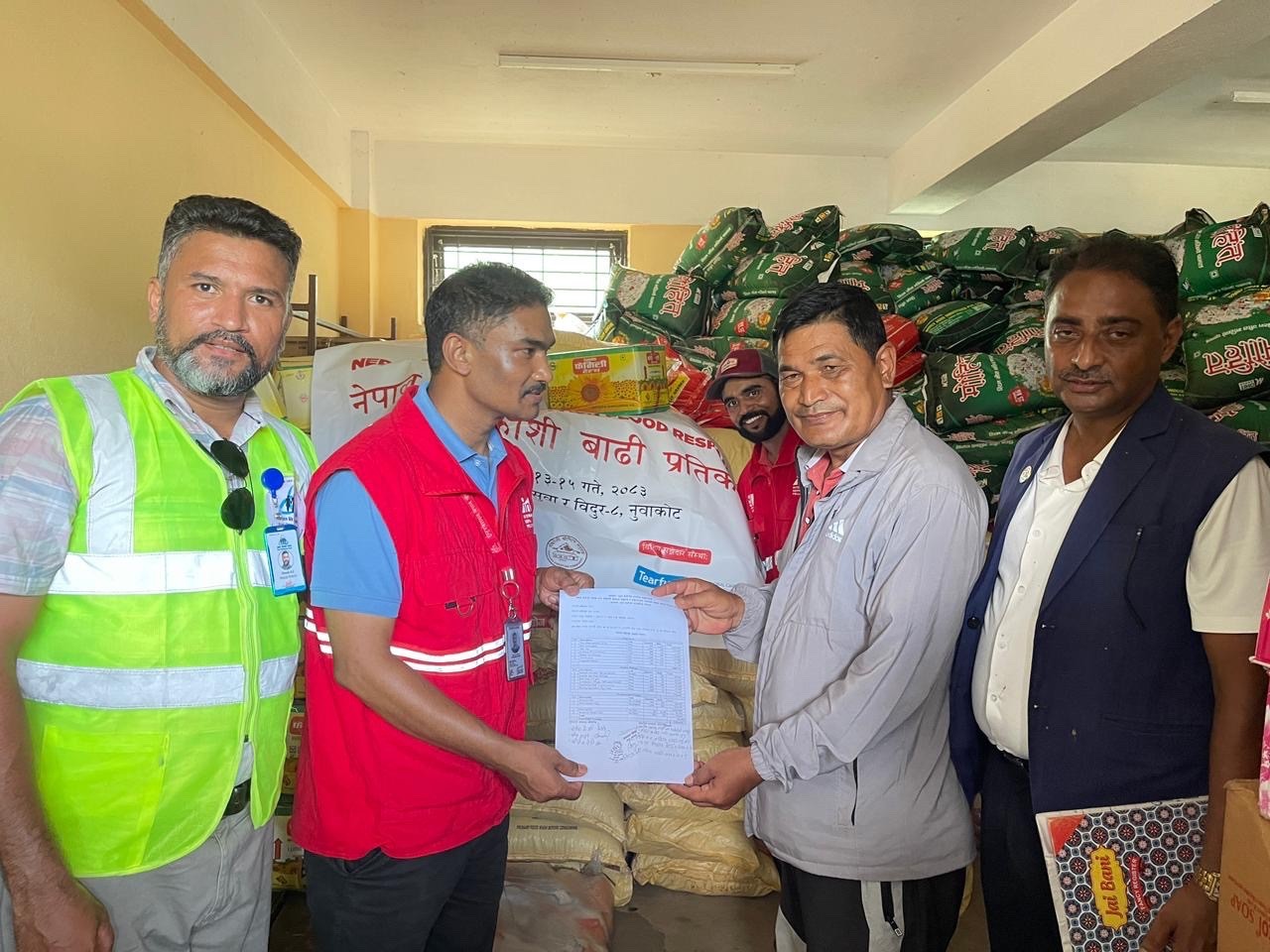
I am deeply disheartened after seeing the real situation on the ground. The stories shared by affected families were heart-wrenching and it was a privilege to be with them in such a situation of sorrow.
This response also brought some valuable learning. Coordinating with local churches for joint relief work was a new experience opening doors for future collaboration. It also reassured something we have seen time and again in our work: timely assistance based on genuine needs is highly valued by affected communities. Getting the right support to the people at the right time does not only address immediate humanitarian needs but also builds trust and strengthens cooperation among affected people, local authorities and response organizations like ours.
As Bidur Municipality begins the long road to recovery, INF Nepal remains committed to walk alongside these communities today and in the months of rebuilding ahead.
This blog is written by Bhim Shahi, one of the Response Team members from INF Nepal.