.gif)
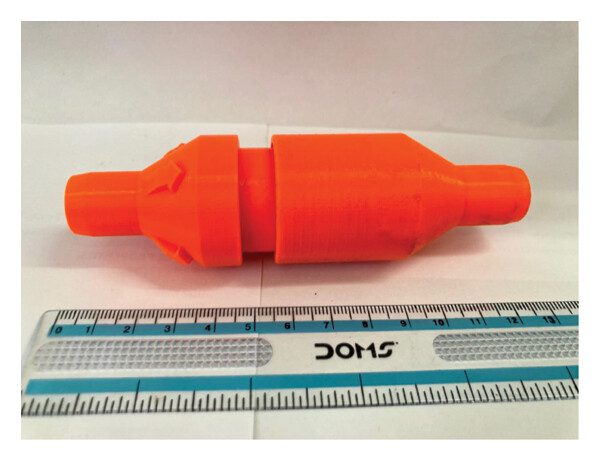
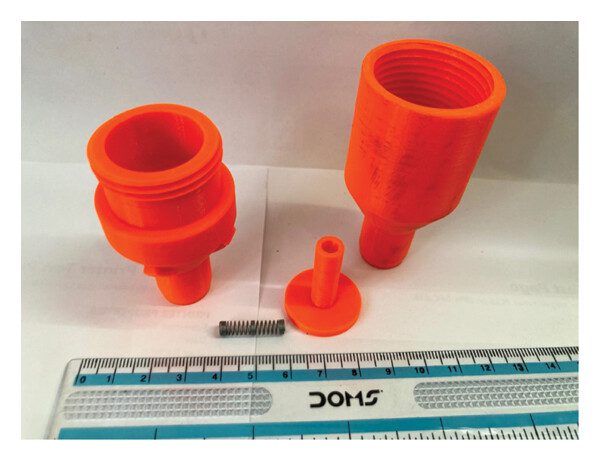
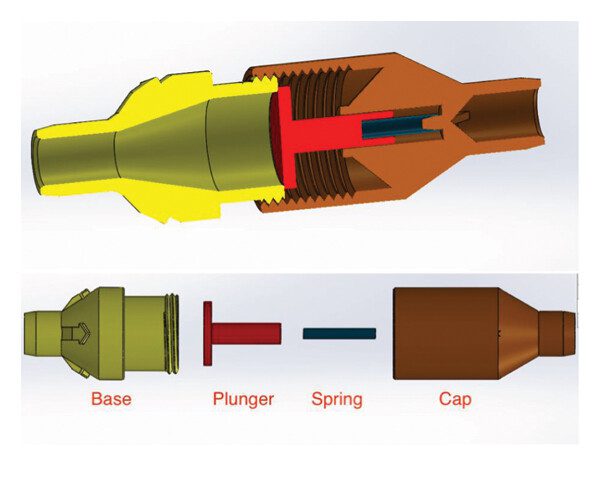
In response to the challenges posed by long COVID, Green Pastures Hospital has taken a significant step forward by developing an innovative and cost-effective approach to respiratory rehabilitation. A recently published article, “Use of Locally Produced Novel Low-Cost 3D Printed Respiratory Muscle Strength Trainer Device (RMSTD) for Long COVID Rehabilitation,” featured in Wiley, details the design, development, and clinical success of a 3D-printed Respiratory Muscle Strength Trainer Device (RMSTD) uniquely suited for treating respiratory muscle weakness in long COVID patients.
This custom-made RMSTD device was designed and produced entirely at Green Pastures Hospital, specifically for a patient who had previously undergone intensive positive airway pressure support during a prolonged ICU stay. The low-cost, 3D-printed design reflects a groundbreaking solution for managing the complex needs of patients recovering from severe COVID-19 symptoms, where respiratory muscle strength can be significantly compromised.
One of the critical aspects highlighted in the article is the local production of the RMSTD device, a factor that not only reduces costs but also enables rapid deployment in healthcare settings where resources are limited. The device’s creation involved interdisciplinary collaboration between respiratory therapists, medical engineers, and rehabilitation specialists, all of whom recognised the need for a targeted approach to address the lingering effects of long COVID on respiratory health. The article outlines the step-by-step process of designing the device, the adjustments made to accommodate patient-specific needs, and the protocols followed to ensure both safety and efficacy.
Through this project, Green Pastures Hospital aims to contribute to the broader conversation on long COVID management, demonstrating the value of accessible, locally produced rehabilitation solutions. By documenting the device’s impact on respiratory recovery in a severe COVID-19 patient, the team hopes to inspire similar low-cost innovations that can benefit COVID-19 recovery efforts globally.
The hospital’s experience underscores the necessity for adaptive solutions in the evolving landscape of long COVID care, especially for patients whose respiratory systems are profoundly affected. The article provides a detailed look at both the challenges encountered and the successful outcomes achieved, offering valuable insights for healthcare providers seeking practical, affordable tools to support patients on their path to recovery.
By sharing their findings, the team at Green Pastures Hospital is not only highlighting an effective model of respiratory rehabilitation but also contributing meaningfully to the international dialogue on innovative, resource-sensitive responses to the ongoing challenges of long COVID.