.gif)
Together for Recovery, Dignity and Hope
A message from our Executive Director on the Nepal flash floods
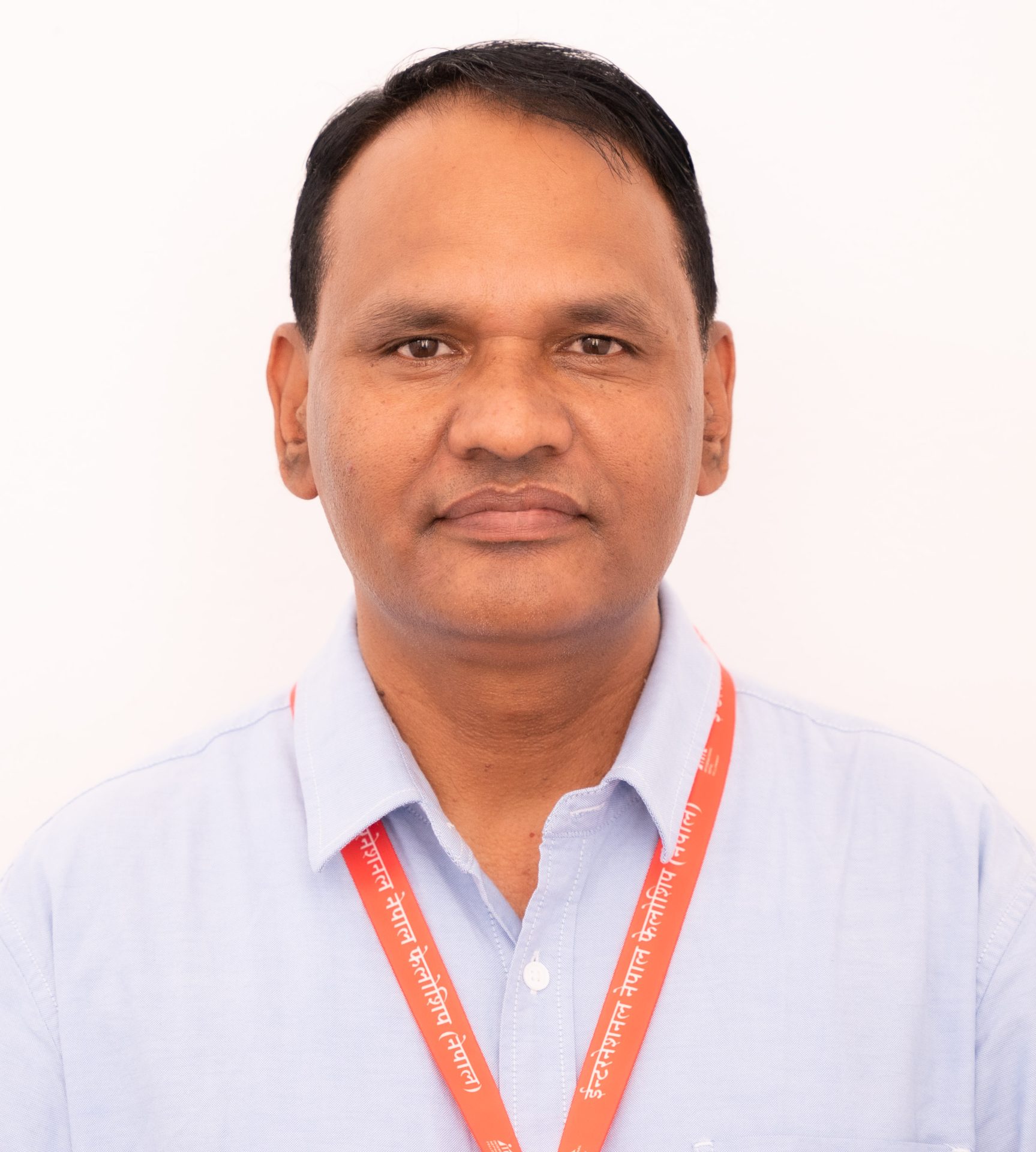
On 26 August 2026, I was travelling by road from Pokhara to Kathmandu with several colleagues. Around 7:00 am, we crossed Dhading Besi Bridge, which connects Dhading to the Prithvi Highway. Just a few hours later, around 10:00 am, we began hearing reports of devastating floods in the Bhotekoshi River area. Lives had been lost, homes and infrastructure destroyed, and the Prithvi Highway had been cut off. The very bridge we had crossed that morning had collapsed within seconds, severing a vital connection between communities and the highway. It was a sobering reminder of how quickly circumstances can change. Had we been travelling only a few hours later, our journey could have been very different.
A Scale of Loss that is Hard to Comprehend
The flooding was sudden and unexpected, and its scale is immense. Communities that were thriving only a day before were devastated in a matter of moments. Seeing the videos of the destruction and hearing of people swept away by the floodwaters, some found trapped in trees, has been heartbreaking and difficult to comprehend. Behind the damaged roads, bridges, and homes are families whose lives have been hugely disrupted. Witnessing this kind of loss raises hard questions. How does life change so completely, so quickly? How do communities begin to recover from a tragedy of this scale? Beyond the visible destruction, there are also physical, emotional and psychological impacts that will stay with survivors for years to come.
Standing with the Most Vulnerable
As I write this, my thoughts are especially with those who are already marginalised and vulnerable: women, children, elderly people, and persons with disabilities who so often face the greatest barriers to rescue, relief services and humanitarian assistance during times of crisis. What is needed now is not only urgent rescue and relief, but long-term recovery and rehabilitation: the kind that restores dignity, rebuilds livelihoods, and turns despair into hope.
For INF Nepal, recovery means more than rebuilding what has been destroyed. It means restoring dignity, helping people rebuild their livelihoods, and strengthening resilience so individuals, families, and communities can thrive again. I hold on to a vision of families returning to safe homes, livelihoods being restored, and communities once again living with hope, dignity and resilience.
Our Response
INF Nepal is working alongside government agencies and like-minded organisations to reach people affected by the floods and provide support where it is needed most. We recognise that effective recovery cannot happen alone. It requires partnership, coordination and a commitment to walking alongside communities, not only in the immediate aftermath of disaster but throughout the longer journey of recovery and rebuilding. This is the vision I hold for the communities affected: even amidst the devastation, there is still hope; people can rebuild their lives with dignity; and communities can emerge stronger and more resilient.
Together, We Can Restore Hope
I want to express my sincere gratitude to everyone who has stood with us, the wider INF family, our funding partners, supporters and prayer partners who continue to stand with communities in times of greatest need. There is much work ahead. My appeal is simple: together, we can help restore hope, rebuild lives and support communities as they move from crisis towards recovery. Please kindly keep the affected families in your thoughts and prayers.
Krishna Adhikari
Executive Director